Gardening Services in Swiss Cottage

Our gardening services in Swiss Cottage are designed for homes, flats and managed properties that need practical outdoor care, tidy presentation and work carried out with attention to detail. We cover routine garden maintenance, hedge trimming, lawn mowing, planting support, seasonal clear-ups and larger tidy-up jobs that bring an outdoor space back under control. The aim is straightforward: keep the garden usable, neat and manageable without unnecessary disruption.
We can help with one-off visits or ongoing maintenance, depending on the condition of the space and the level of care it needs. Some gardens mainly need regular mowing and edging, while others benefit from pruning, clearance and a more structured plan across the year. If you are comparing options, start by looking at the type of work involved and the finish you want. Simple, clear instructions usually lead to a smoother quotation process. If you are ready to discuss your garden, you can request a quotation once you have a good idea of the tasks involved.
Our approach is suited to domestic gardens, rental properties and small commercial outdoor areas where presentation matters. We work in a way that keeps the space accessible and tidy, with care taken around planted areas, paths, fencing and surface finishes. When the brief is broader than mowing alone, we can combine several tasks into one visit so the work is planned sensibly and completed in a sensible order. That makes it easier to keep on top of regular upkeep as well as occasional larger jobs.
Routine garden maintenance
Routine maintenance is often the most effective way to stop a garden from drifting into a larger job. We can carry out scheduled visits that focus on the basics: mowing, edging, weeding, light pruning, clearing leaves and general tidying. This is helpful where the garden is already in reasonable shape but needs regular attention to stay presentable. It also works well for properties where the outdoor area is visible from the street or used frequently by residents and guests.
We tailor maintenance to the garden rather than trying to force every space into the same pattern. A compact courtyard may only need careful cutting back and debris removal, while a larger rear garden may need a repeated cycle of mowing, border work and seasonal clean-up. Our service is built around practical upkeep, so the work can be focused on the areas that most affect appearance and use. If you want to talk through the scope, the best place to begin is with the main tasks and the condition of the garden.
What regular visits can include
- Grass cutting and edge finishing
- Light pruning and shaping
- Weed removal from borders and hard edges
- Leaf collection and general debris clearing
- Basic tidying to restore a neat, cared-for look
Hedge trimming and pruning

Hedge trimming is an important part of keeping boundaries smart, sunlight available and growth under control. We can trim hedges and shrubs to improve shape, reduce overgrowth and prevent planting from crowding paths, driveways or neighbouring areas. For gardens with established planting, the main aim is usually to balance appearance with healthy growth rather than cutting everything back to a harsh finish. The result should look deliberate and even, not rushed.
Pruning work can vary a great deal depending on the plant type, season and the desired finish. Some shrubs benefit from a gentle tidy, while others need a clearer reduction to remove dead, crossing or untidy growth. We take a measured approach so that the work supports the garden’s structure rather than leaving it sparse or unbalanced. If there are mixed plants, we can focus on the ones that are most visible or the ones affecting access and light first. That makes the work easier to plan and easier to quote for.
Where hedges form the main edge of the property, regular cutting helps maintain a sharper outline and keeps the outdoor space looking looked-after. Trimming can also be combined with clearing up the arisings, so the finished area is ready to use without extra effort. If you are comparing options, you may find it useful to identify which hedge lines, shrubs or climbing plants need attention first before arranging the visit.
Lawn mowing and grass care
Lawn mowing is one of the simplest ways to improve the look of a garden quickly, but the quality of the finish depends on more than just making the grass shorter. We can mow lawns, tidy the edges and deal with the clippings in a way that leaves the surface neat and even. For lawns that have grown unevenly, the first visit may need a slightly more careful approach so the grass is cut safely and brought back into shape.
Not every lawn needs the same treatment. Some benefit from regular cutting through the growing season, while others need help after periods of neglect or poor weather. We can also combine mowing with border trimming and a general tidy so the whole area feels more coherent. If the lawn is bordered by beds, paving or fences, the finishing touches matter as much as the cut itself. That is why we look at the full edge-to-edge presentation, not just the grass in the centre.
For customers who want a straightforward plan, it helps to think in terms of appearance, access and frequency. A lawn used by children, pets or visitors may need a different rhythm from a low-use garden. Where suitable, we can discuss a maintenance pattern that keeps growth under control without letting the grass become coarse or difficult to manage. A clear brief makes it easier to keep the work efficient and tidy.
Garden clearance and seasonal tidy-ups

Garden clearance is useful when a space has become cluttered with cuttings, fallen material, brambles, overgrowth or leftover debris from previous work. We can clear away unwanted garden waste and restore a more usable layout, especially where access has become awkward or planting has spread beyond its intended area. This kind of work is often the bridge between a neglected garden and a space that can be maintained properly again.
Seasonal tidy-ups are a different but related task. In spring, that might mean removing winter debris, tidying borders and preparing beds for renewed growth. In autumn, it may involve leaf collection, reducing unruly growth and getting the outdoor area ready for the colder months. These jobs are often best handled as a coordinated set of tasks rather than isolated jobs because the garden usually needs several small improvements at once. The aim is to create a cleaner, more manageable starting point.
If you are arranging a clearance, it is often helpful to note which parts of the garden need the most attention, whether there are awkward access points, and whether the work is a simple tidy or a more substantial reset. That kind of detail helps shape a practical quotation and avoids confusion on the day. When the area has been opened up and tidied, ongoing maintenance becomes much easier to keep on track.
Landscape gardening and planting support
Landscape gardening covers improvements that go beyond routine upkeep, with work aimed at reshaping how a garden looks and functions. This may include renewing borders, adjusting planting areas, introducing structure or improving the layout so the space feels more deliberate. We can support gardens that need a clearer design direction, while keeping the work grounded in practical results rather than overcomplicated changes. The focus stays on a garden that looks coherent and is easier to live with.
Planting support can be especially useful where a space feels bare, patchy or overgrown in the wrong places. New plants need suitable positioning, and existing planting often benefits from being reorganised around light, scale and seasonality. A sensible planting plan should respect the garden’s size and style, whether it is a small urban plot or a larger rear garden with defined beds. Where there is already a good framework in place, improvements can be made incrementally instead of starting from scratch.
Some projects are about refinement rather than redesign. In those cases, the most useful work may be selective pruning, border reshaping and the careful addition of a few planting features that improve balance. If you are unsure whether your garden needs maintenance or a more structural update, start by considering the overall result you want. Small changes can make a visible difference when they are planned properly.
About Swiss Cottage
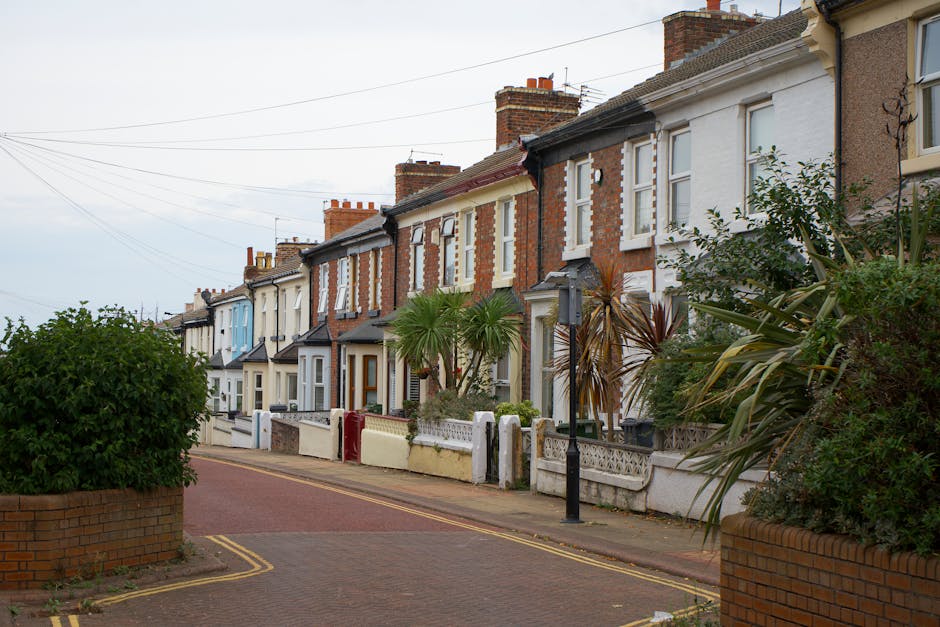
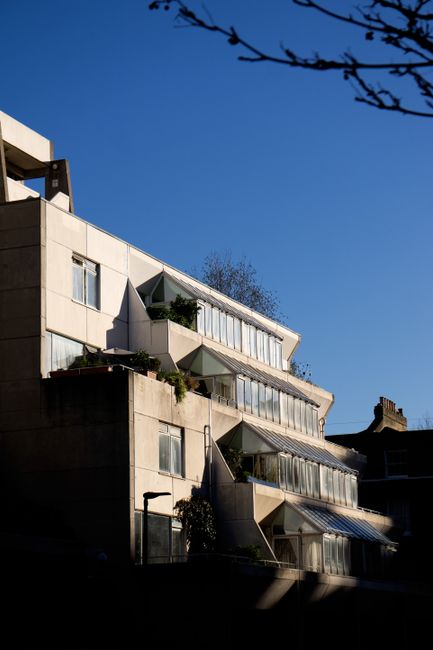
Swiss Cottage is an area in north-west London within the London Borough of Camden, centred on a busy junction where the Finchley Road meets Avenue Road. The name is associated with the nineteenth-century Swiss Cottage public house, and the district later became known for its transport links and residential development. Today the area sits between well-known parts of inner London, with a mix of local shopping, apartment blocks, terraces and institutional buildings that reflect different stages of growth and redevelopment. The Swiss Cottage underground station on the Jubilee line gives the area strong connectivity, while the nearby Finchley Road corridor contributes to its urban character. One of the most recognisable landmarks is the Hampstead Theatre, a long-established venue for new writing, which helps give the district a visible cultural presence. The area is also close to Regent’s Park, Primrose Hill and Hampstead Heath, each of which adds green space within a dense part of the city. Architectural variety is notable here too: some streets show mid-twentieth-century planning, while others retain earlier domestic forms and later apartment schemes. The area’s layout is shaped by main roads, local squares and the movement of people through shops, transport interchanges and residential streets. This combination of transit, housing and culture gives Swiss Cottage a distinct place in London’s north-west inner suburbs.
How we handle larger outdoor projects

Some gardens need more than routine care. Overgrown boundaries, patchy lawns, tired borders and awkward access can all be part of a broader project that benefits from a staged approach. We can help with larger outdoor jobs by separating the work into clear steps: first making the area safe and accessible, then dealing with the main visual issues, and finally tidying the remaining details. That keeps the project manageable and helps the final finish feel coherent.
For more substantial work, the order of operations matters. It is usually better to remove unwanted growth before refining edges, and better to shape larger areas before returning to detail work. Where there are mixed materials or features, such as paving, sheds, fences or retaining edges, we can work carefully around them to avoid unnecessary disruption. A good result depends on both the visible finish and the practical use of the garden once the job is complete.
If your garden has several problem areas, it may be sensible to decide what matters most: access, appearance, or the return to easy maintenance. That prioritisation can help define the scope and keep the work focused. When the brief is clear, the quotation can be clearer too. From there, we can plan the work in a way that suits the space rather than forcing it into a fixed pattern.
What to include when asking for a quotation
To request a quotation, it helps to describe the main jobs you want done and the overall state of the garden. A short list is usually enough to begin with, especially if the work is straightforward. If the space includes hedges, lawn areas, borders or overgrown sections, mentioning each part separately makes it easier to understand what needs attention. Where access is limited or the garden has unusual features, that is worth noting as well.
Useful details can include the approximate size of the area, whether it is a one-off tidy-up or a recurring visit, and whether there is any heavy clearing involved. If the garden has been left for a while, it may also help to explain which parts are most urgent. The aim is not to overcomplicate the process, but to give enough information for an informed response. Clear descriptions usually save time for everyone.
Helpful details to mention
- The main tasks you want completed
- Whether the work is one-off or ongoing
- Any areas that are especially overgrown or delicate
- Access restrictions, gates or shared spaces
- Any preferred timing for the visit
Choosing the right level of gardening support

Different gardens need different levels of support, and the right choice depends on how much time you want to spend maintaining the space yourself. Some customers only need a seasonal clear-up or hedge trim, while others prefer a recurring maintenance plan that keeps the garden consistently neat. We can work to either approach, with the scope shaped around the practical state of the outdoor area and the result you want to achieve. The most useful plan is usually the one that matches the garden’s real condition, not a generic schedule.
If a garden has become difficult to enjoy, it is often best to begin with the most visible or limiting issues first. That may be a lawn that needs cutting, hedges that are obscuring light, or borders that have become untidy and hard to manage. Once those areas are brought under control, the remaining work can be approached more calmly. Our service is flexible enough to handle isolated tasks or a wider mix of maintenance and improvement work.
If you would like to move forward, ask for a quotation and outline the work that matters most. You do not need to describe everything perfectly at the start; a concise summary is enough to begin the conversation. We will use the information you provide to understand the scope and shape the next step. For a garden that needs practical attention in Swiss Cottage, a clear request is the best starting point.